Skip to content

Selected Work

01 / FIELD RESEARCH

South Toe River Monitoring

The Nature Conservancy · Summer 2026
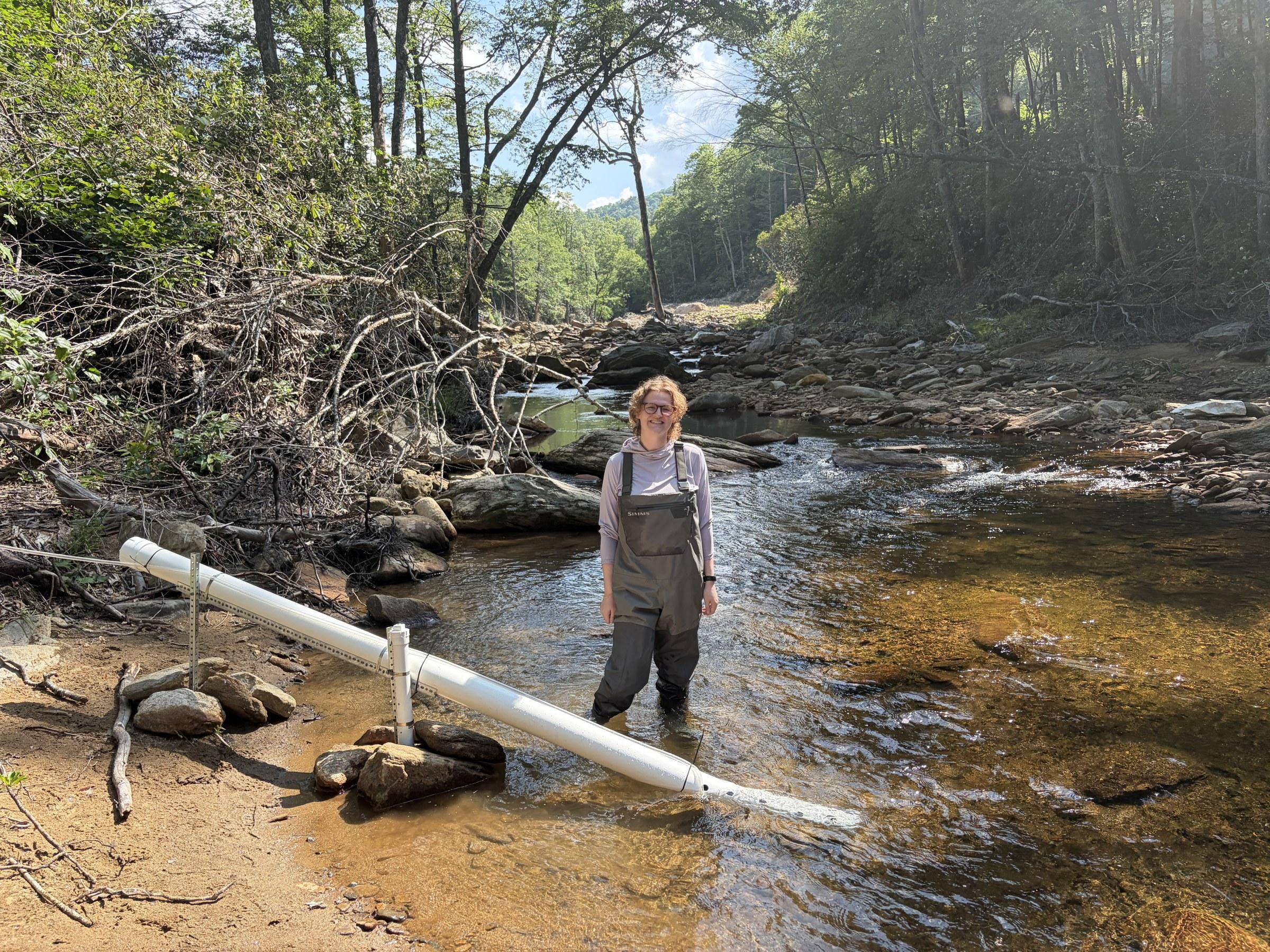
Flannery beside the South Toe River monitoring installation
Field installation on the South Toe River.
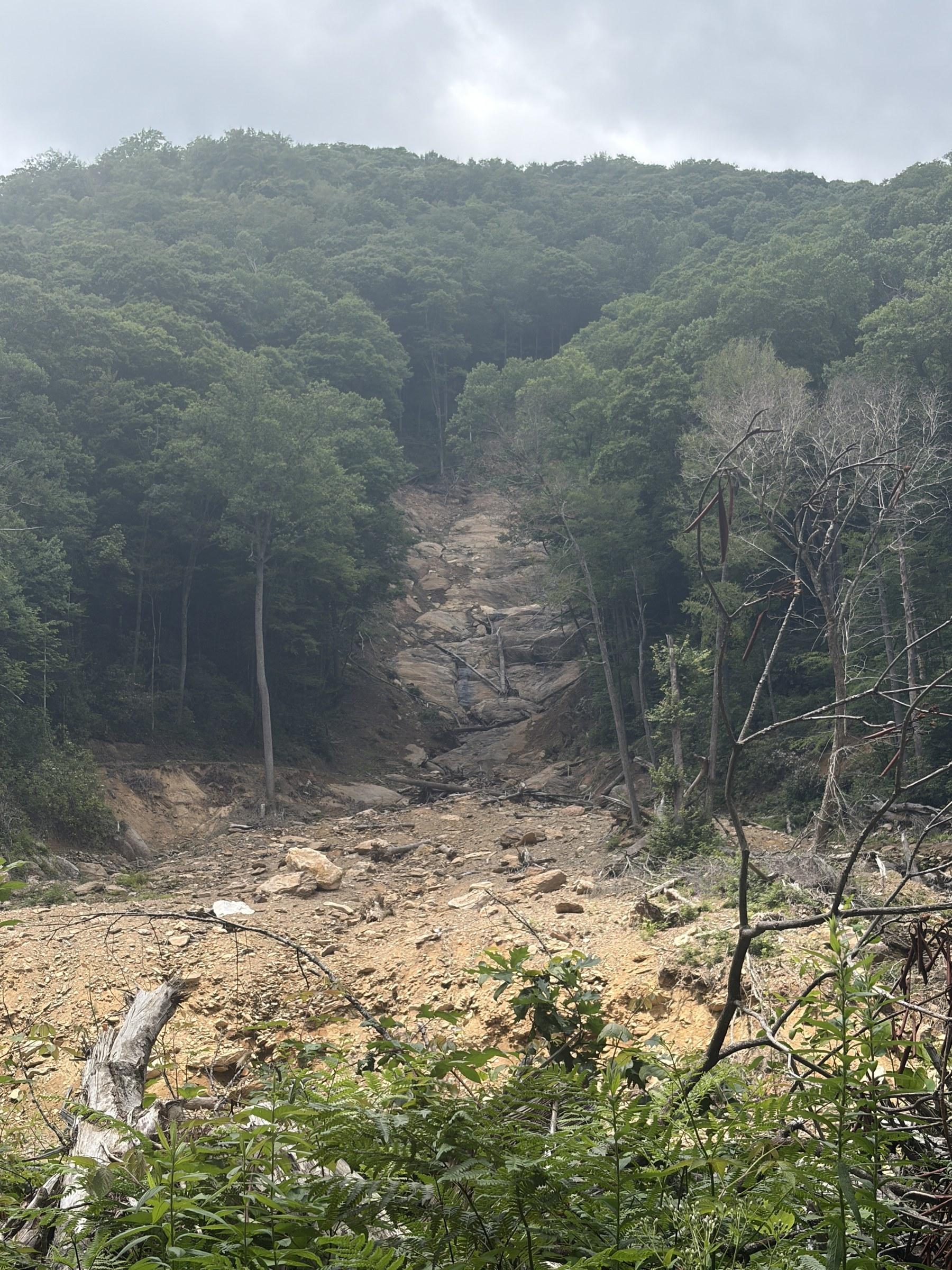
Hurricane Helene landslide and debris flow entering a western North Carolina river corridor
Landslide debris adjacent to the study reach.

After Hurricane Helene, I led a study with project collaborators examining sediment impacts from a landslide on the South Toe River in western North Carolina. GIS analysis estimated that nearly 30,000 metric tons of material had mobilized from the slope. We installed a turbidity sensor and automatic water sampler upstream and downstream of the debris-flow entry.

Collected samples were analyzed for suspended-sediment concentration. I developed a time-series relationship between continuous turbidity readings and suspended sediment to support estimates through time and comparisons across the study reach. The summer findings were inconclusive; the research continues as my Duke master’s project.
Field measurementsLaboratory sediment analysisTurbidity–sediment modeling
Conceptual South Toe River monitoring layoutAn upstream sensor and automatic sampler, a landslide entering the river from the bank, and a downstream sensor and automatic sampler connected by downstream river flow.Downstream flowUpstream stationTurbidity sensorAutomatic samplerLandslide / debris-flow entryAdjacent slopeDownstream stationTurbidity sensorAutomatic sampler
Conceptual South Toe River monitoring layoutVertical sequence from the upstream monitoring station, past the landslide entering the river, to the downstream monitoring station.Upstream stationTurbidity sensor · Automatic samplerLandslide / debris-flow entryAdjacent slopeDownstream flow ↓Downstream stationTurbidity sensor · Automatic sampler
Conceptual monitoring setup; not a measured site map.

02 · Drinking-water engineering

Bedford Borough treatment design

Fall 2024 · Carnegie Mellon University · Senior capstone

Bedford Borough’s drinking-water system faced manganese mobilization, limited chemical-storage conditions, and disinfection challenges. The Got Manganese? capstone team proposed solar-powered bottom-up aeration at Todd Spring Reservoir, a prefabricated chemical-storage building with a carrier-water system, and additional clearwell baffles intended to improve disinfection contact.

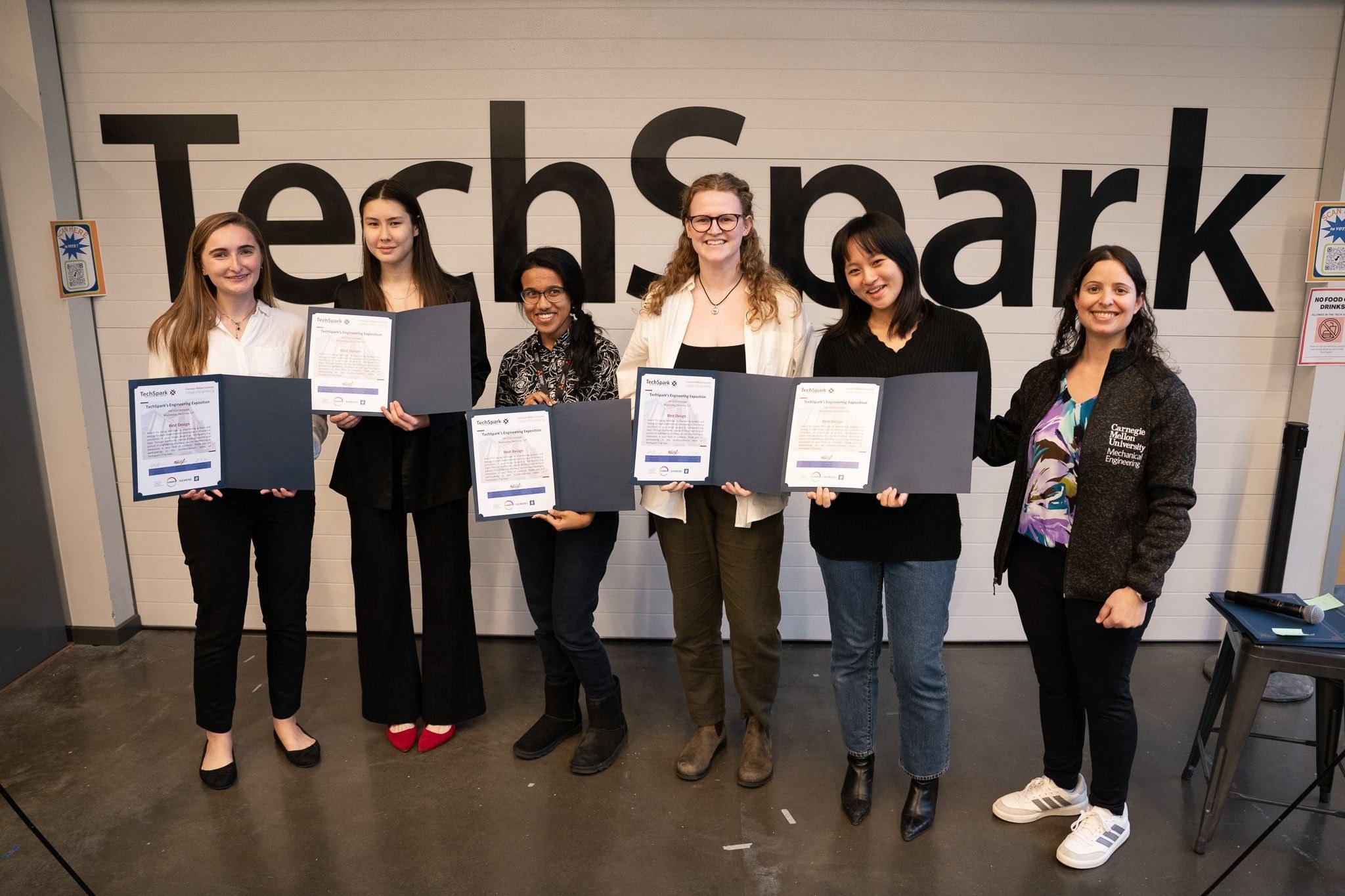
Developed with technical-advisor input, the team presented its proposal at the TechSpark Engineering Expo and received the Best Design award. These are proposed improvements, not constructed infrastructure.

Bedford Borough design team receiving recognition at the TechSpark Engineering Expo
The Got Manganese? team at the TechSpark Engineering Expo.
Proposed Bedford Borough treatment improvementsFlow diagram distinguishes existing treatment steps from proposed reservoir aeration, chemical storage and carrier-water upgrades, and clearwell baffles.SOURCE WATEREXISTING TREATMENT TRAINPROPOSED DISINFECTION UPGRADESTodd SpringReservoirPROPOSEDSolar bottom-upaerationIntake &coagulationEXISTINGTreatmentprocessEXISTINGSodiumhypochlorite dosePROPOSEDClearwellAdditional bafflesPROPOSEDTodistributionChemical storage building+ carrier-water systemPROPOSED SUPPORT SYSTEM
Proposed Bedford Borough treatment improvementsVertical flow diagram from reservoir aeration through the existing process and proposed disinfection dose to a clearwell with additional baffles. Chemical storage is shown separately as a support system.Todd Spring ReservoirSolar bottom-up aeration · proposedIntake & coagulationExisting treatment trainTreatment processExisting treatment trainSodium hypochlorite doseProposed disinfectionClearwellAdditional baffles · proposedSeparate proposed support systemChemical storage + carrier water
Proposed treatment improvements; existing and proposed components are labeled.

03 · Stormwater & ecological design

Ansys Hall stormwater design

Fall 2022 · Carnegie Mellon University · Sophomore capstone

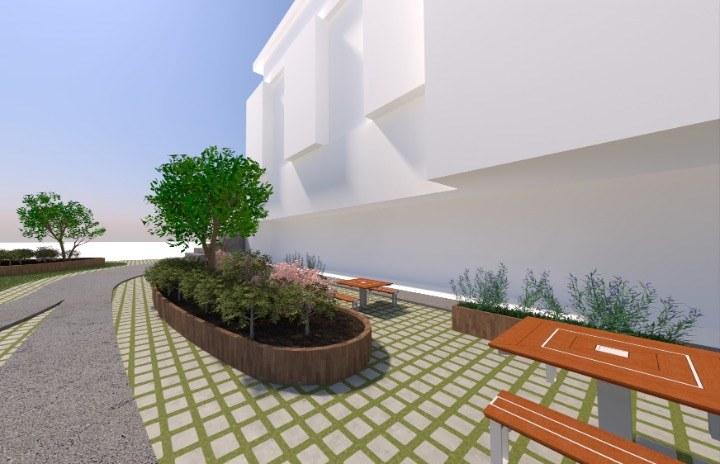
Team rendering of proposed planted courtyard and green-space design at Ansys Hall
Team rendering of the proposed courtyard landscape.

With teammates Maddy Falk, Andy Han, Krishnav Sekhri, and Emiliano Plaza Grisanty, I contributed to a campus landscape proposal combining green roofs, planted areas, stormwater-retention strategies, and usable outdoor space. I developed a landscape concept and helped compare design options balancing stormwater considerations, cost, and campus use.

The rendering and runoff concept represent an academic proposal; the design is not presented as constructed or as a measured performance result.

Ansys Hall proposed runoff conceptRainfall is directed from proposed green roof and planted courtyard areas into landscape retention features. Conceptual only.Green roofproposed plantingPlanted areasCourtyard retention concept · not builtRainfall
Conceptual path through proposed roof and landscape features; no measured performance implied.
View the full team presentation

04 · Plant science & analytical methods

Nanoparticle transport in citrus plants

2022–2023 · Lowry Lab · Carnegie Mellon University

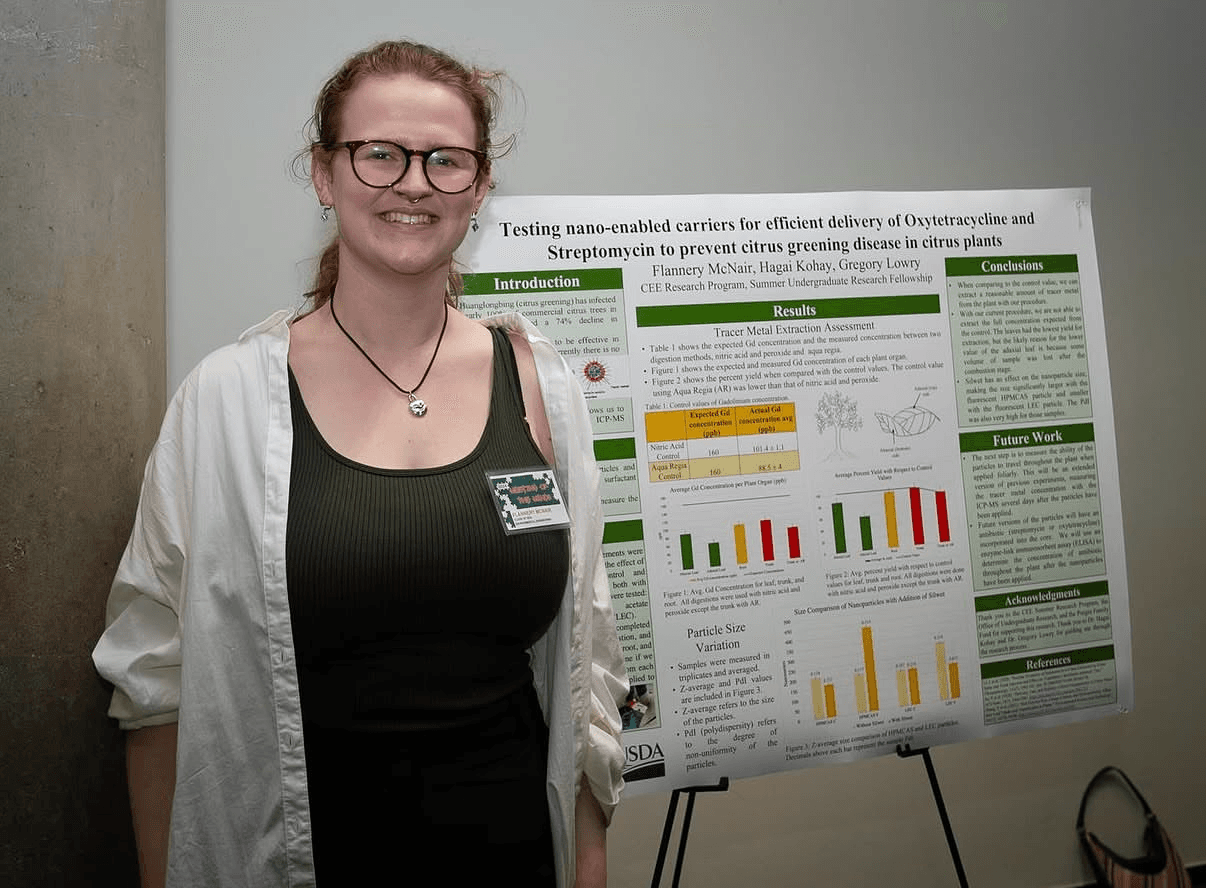
Flannery presenting her citrus nanoparticle research poster at Carnegie Mellon
Research poster presented at Carnegie Mellon’s Meeting of the Minds.

In the Lowry Lab, I worked with Dr. Hagai Kohay and Dr. Gregory Lowry to develop procedures for measuring metal tracers and investigate how vanadium-containing nanoparticles moved through citrus plants. Work included plant-organ sampling, sample digestion, and analysis by inductively coupled plasma mass spectrometry (ICP-MS).

The chart reports the original project’s vanadium distribution across leaves, trunk, and roots. These measurements describe tracer distribution; they do not demonstrate antibiotic-delivery or disease-treatment outcomes.

Reported vanadium distribution by plant organThe original project figure reports 57.54 percent in leaves, 11.41 percent in trunk, and 31.05 percent in roots.Vanadium by plant organReported distribution (%)57.54%Leaves11.41%Trunk31.05%RootsValues transcribed from the original project figure
Reported tracer distribution across sampled organs, not an antibiotic-delivery outcome.

Further study & design

Additional projects

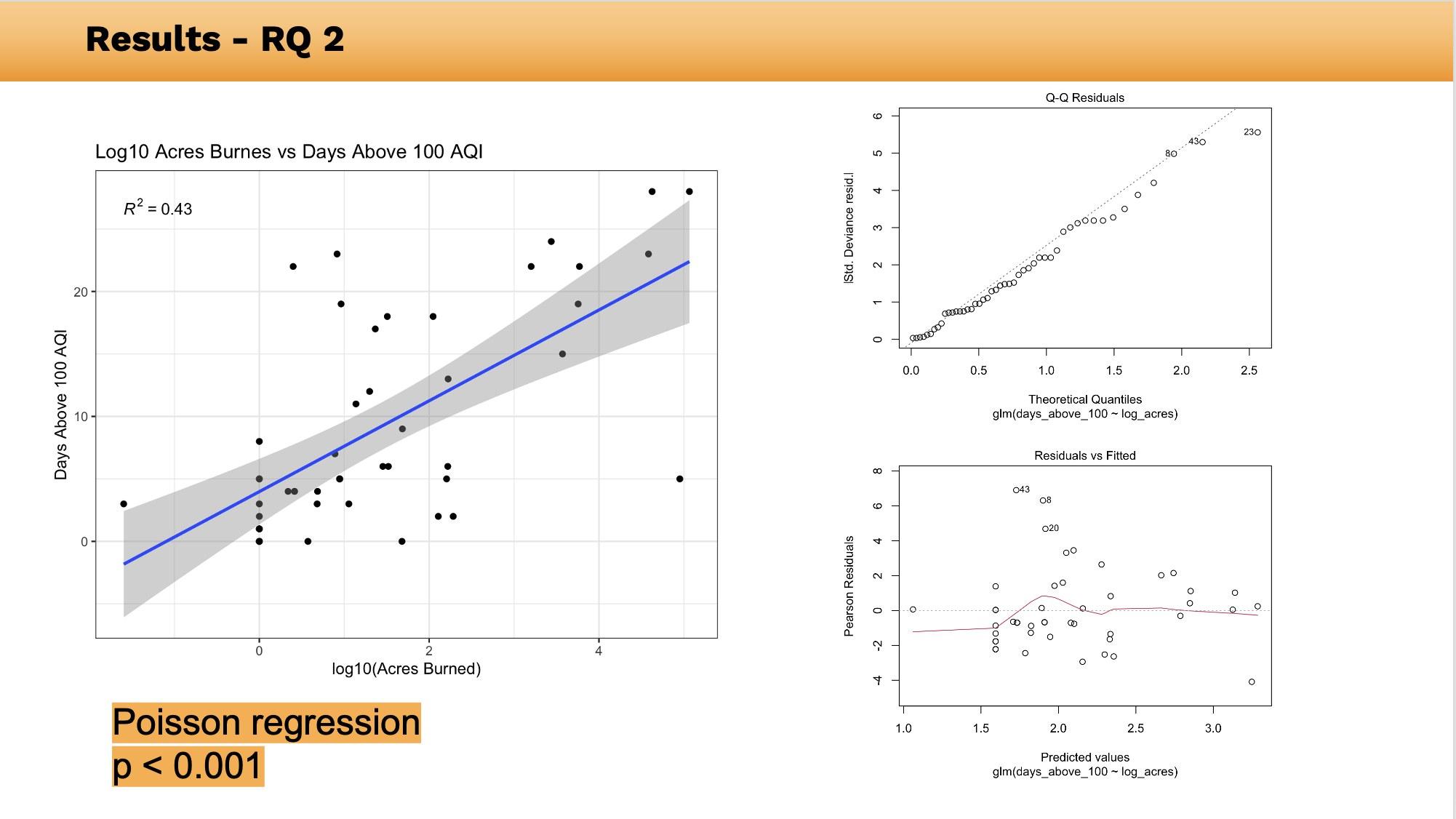
Statistical results figure from California wildfire and air-quality analysis
Regression results from a team analysis.

2026 · Environmental statistics

Wildfire activity, air quality & social vulnerability

Team analysis of California county data examining burned area, AQI, and social vulnerability from 2010–2025.

Read the full report
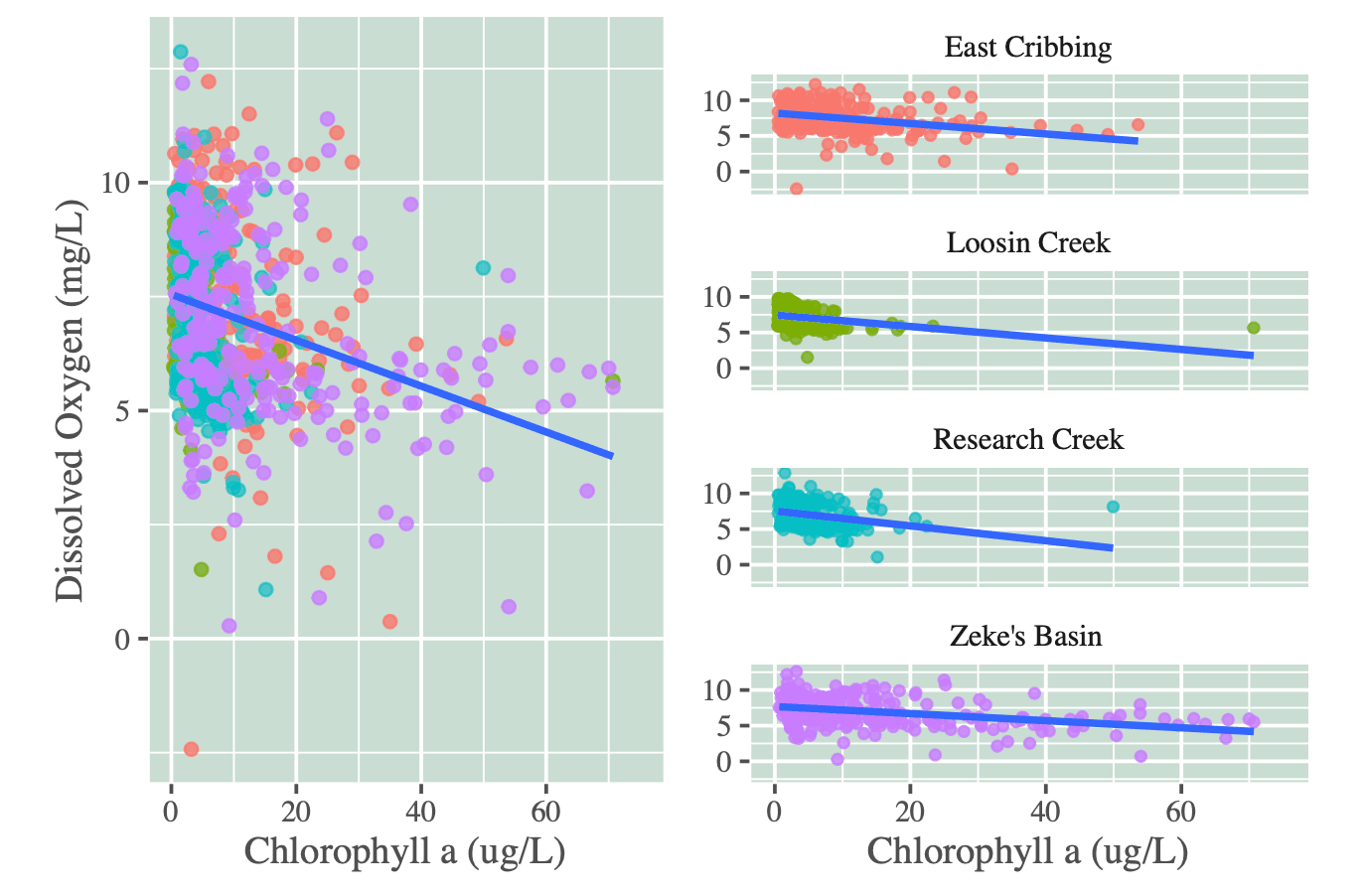
Cape Fear River Basin dissolved oxygen and chlorophyll relationship plot
Dissolved oxygen and chlorophyll measurements across monitoring observations.

2025 · Watershed data analysis

Cape Fear River Basin water quality

Regression and time-series work examining dissolved oxygen, chlorophyll, and nutrient variables.

Open the project report
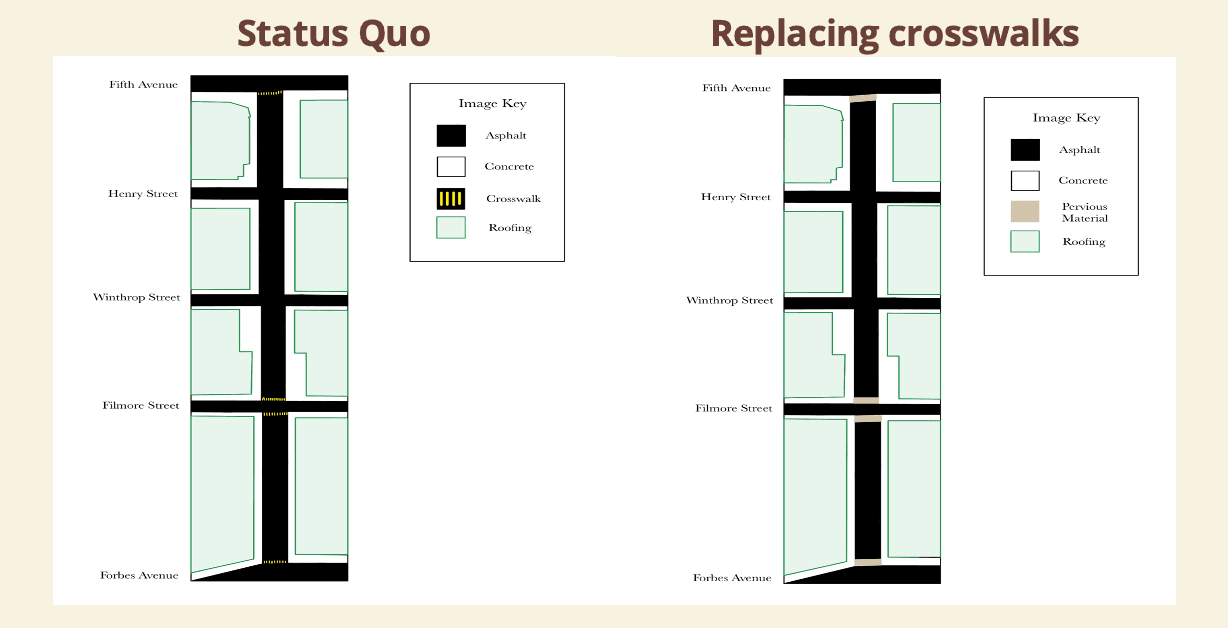
Street-design proposal graphic for South Craig Street in Pittsburgh
Team streetscape and pedestrian-safety proposal.

2023 · Urban design

Craig Street redesign

A team proposal exploring wider sidewalks, cycling facilities, green infrastructure, parking, traffic flow, and pedestrian safety.

Read the design report
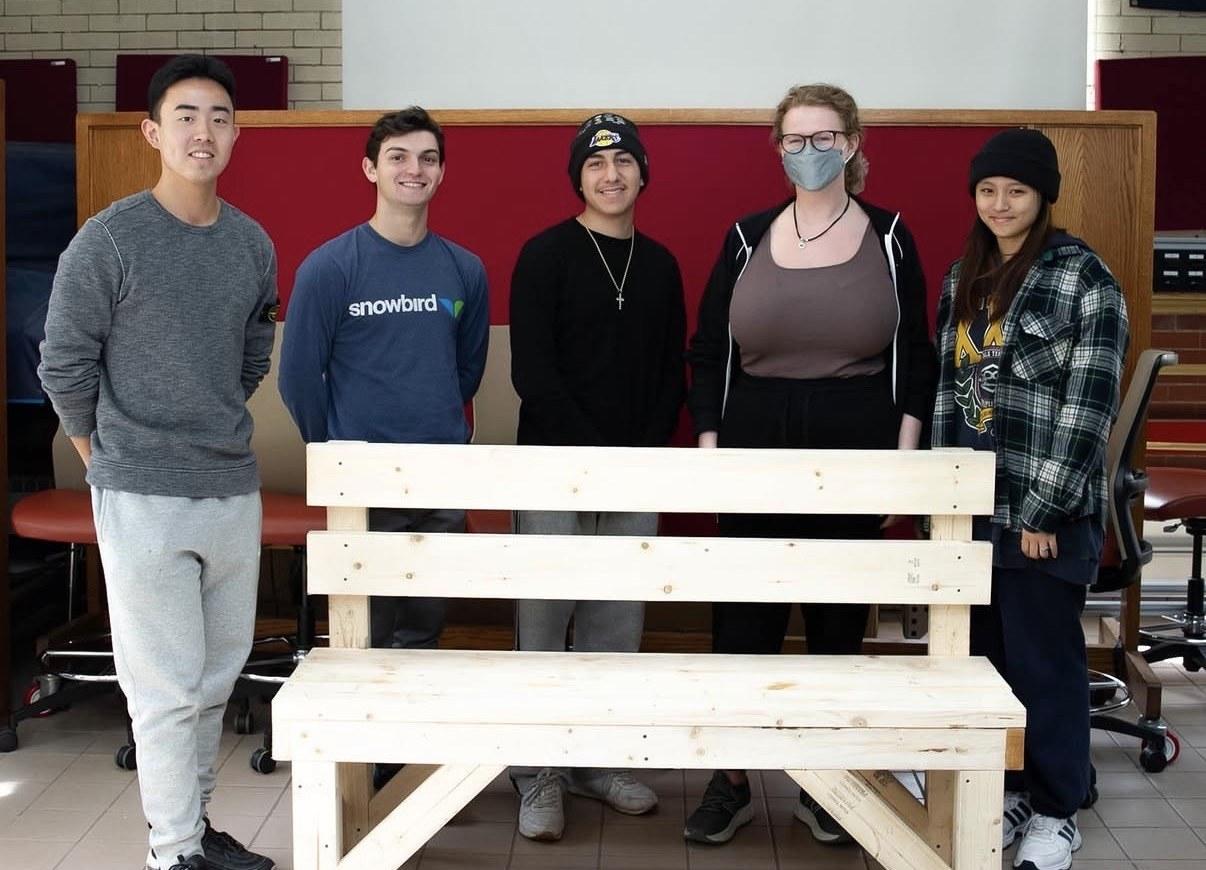
Student design team beside a completed community garden bench
The design team with the completed community bench.

2022 · Design & build

Community bench

Designed and built with a team, inspired by Sit on It Detroit; the bench was installed in a Pittsburgh community garden.

View project documentation